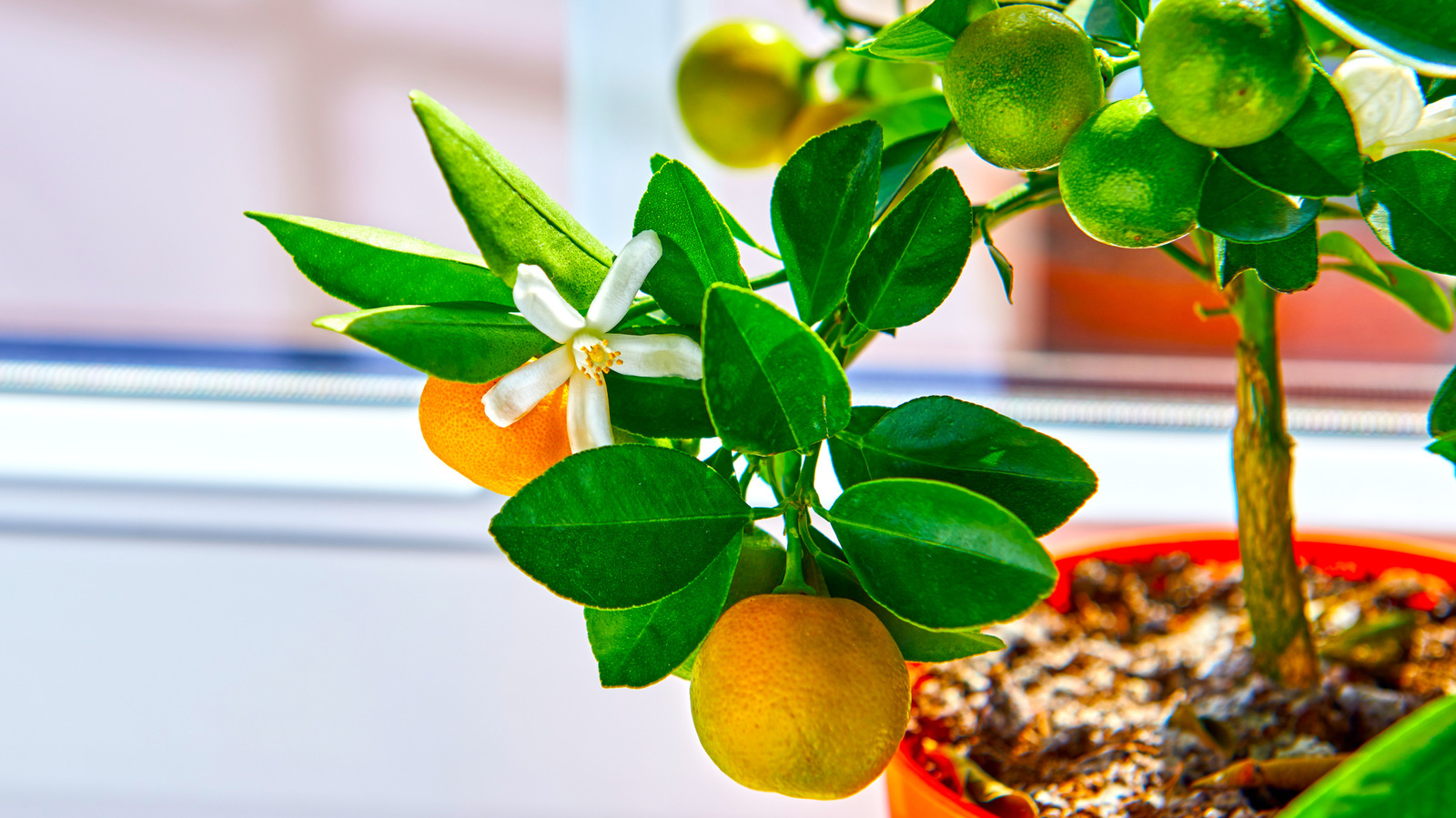
Citrus is often treated as a supporting ingredient in restaurant cooking: a squeeze of lemon over fish, lime in a drink or orange in a dessert. But a newly published selection of 14 unusual varieties suggests a far wider world of sharp, aromatic and distinctive fruit.
The list, compiled by Tasting Table, focuses on citrus fruits that are not commonly encountered in the United States. For diners and cooks in Latvia, it offers a useful prompt to look beyond the familiar produce aisle when considering acidity, fragrance and seasonal garnish.
Availability remains the practical question. Rare citrus is not a guarantee on Latvian market stalls or restaurant menus, and chefs should be clear about origin and season when introducing unfamiliar ingredients. Yet specialist suppliers and changing restaurant menus can create opportunities for guests to taste varieties they may not otherwise recognise.
For restaurants, the most compelling use of uncommon citrus may be a restrained one: pairing a new flavour with seafood, rye-based baking, preserves or a carefully balanced dessert. For diners, asking which citrus is in a sauce, cocktail or sweet course can turn a routine meal into a small act of culinary discovery.